GameCult

GameCult is a distributed game studio building science-fantasy worlds, competitive experiments, fiction, and the kind of operational scaffolding that keeps ambitious projects from dissolving into vibes, private chats, and half-remembered promises.

The homepage pitch and the studio pitch were always the same argument in two different outfits, so this page is now both: the front door, the manifesto, and the route into the rest of the mess.

Open by default. Weird on purpose.

We think information wants to be public, contributors deserve visibility, and artistic integrity matters more than sanding every project into something safe enough for a quarterly earnings call.

GameCult is built for programmers, writers, artists, musicians, designers, worldbuilders, organizers, and the gloriously non-corporate. In other words, exactly the kind of people conventional studio culture keeps trying to housebreak.

Open by default

Source, docs, and public writing should be inspectable, linkable, and easy to revise in Git instead of trapped in some editor-shaped oubliette.

Transparent work

Contributors should be able to see what matters, what needs doing, and where the effort goes instead of treating studio work like folklore.

Flagships and experiments

Aetheria is the flagship universe, but CultPong and any other bad idea with enough conviction to survive contact with reality belong under the same roof.

Cooperative instincts

The studio should answer to the people building and supporting the work, not only to whatever executive class would most like to turn it into a content treadmill.

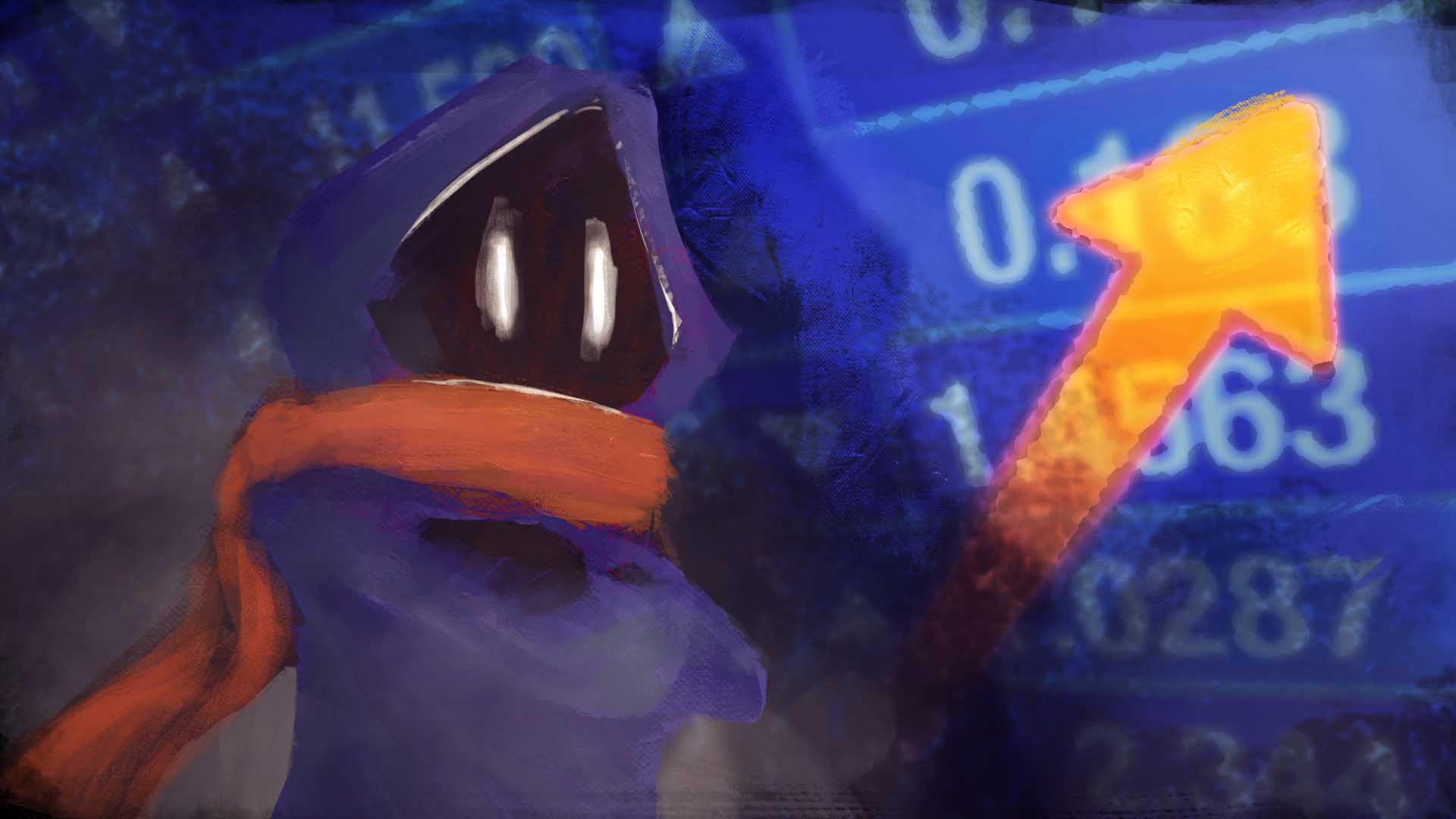
The hooded GameCult mascot in front of a rising chart.

Apparently the studio's patron saint is a hooded little finance goblin. Disturbing, yes. Inaccurate, no.

Open Source Model

Open source is not a marketing adjective here. It is the operating assumption that code, docs, and design thinking should be legible enough to inspect, challenge, and improve, which is less glamorous than saying “radically transparent” but much more useful.

That does not mean every repository is public, every draft is polished, or every decision happens by committee. It means the default operating model should be understandable from the outside and editable from the inside.

The point is clarity and participation. If someone wants to understand how the work is done or contribute to it, the path should not disappear behind proprietary tooling, locked workflows, or a CMS that acts like it deserves creative control.

Contributing

The first contribution standard is clarity. Notes, docs, project pages, and posts should be easy to edit in a normal text editor, easy to review in Git, and direct enough that they actually say what matters.

If you are contributing to GameCult’s public writing, docs, or project pages:

  • prefer direct Markdown edits over editor-locked workflows
  • keep structure obvious through headings and short sections
  • treat overview index.md files as navigation hubs, not placeholders
  • link outward to deeper project-specific homes when that serves readers better
  • write in a direct studio voice instead of narrating the website around the idea

For Aetheria-specific lore, essays, and fiction, the fuller public home is aetheria.gamecult.org.

A bounty board style image.

If a task exists, people should be able to see it, volunteer for it, and be rewarded for completing it.

Democratizing Gamedev

Getting paid to work on open source games? You better believe it.

Bounty-driven development turns needed work into visible opportunity. If a task matters, it should exist as a public issue with scope, reward, and a path to completion. Contributors do the work, get credited for it, and build real standing inside the studio instead of donating invisible labor into the void and being thanked with vibes.

As a multi-stakeholder cooperative, GameCult also treats recurring supporters as more than customers. People who support the work and people who build the work should both be able to influence priorities, policy, and direction.

If a bug is driving you insane, rally support and push it up the queue. If a feature deserves to exist, make the case and help make it real. The goal is a studio where the community is structurally involved, not periodically marketed at whenever a roadmap needs enthusiasm.

A lava cave environment image.

Game development is not just code. It is art, writing, music, design, worldbuilding, ops, and all the connective tissue in between.

A Place for Everyone

There are many talented people out there who are not cut out for 9-to-5 life, office theater, or the corporate version of “professional.” We welcome those people. We are those people. GameCult values the unusual and has no interest in sanding it flat.

Game development is one of the few art forms big enough to use almost everything: storytelling, drawing, music, design, architecture, community care, production, research, and all the connective tissue between them. Writing good code has never been enough.

That breadth is the point. A studio like this should have room for hybrid talents, difficult weirdos, and people whose best work happens outside conventional boxes.

The GameCult mascot standing in front of a rising chart.

The business argument can wear a meme face and still be serious.

Games as a Service

“Give away the razor, sell the blades.” Games as a Service is big business, and while many software companies have embraced open source, conventional game studios still treat it like a threat. GameCult is taking that leap with flagship multiplayer experiences that are hard to duplicate because of server infrastructure and network effects and easier to monetize without walling off the whole experience.

That kind of flagship can fund stranger, smaller, or more narrative work around it. Single-player passion projects need a sustainable ecosystem behind them, not a toll booth on the front door.

The point is not to mimic the worst habits of live-service games. It is to use recurring revenue where it makes sense so the rest of the catalog gets to stay adventurous.

Abstract debris artwork.

The studio pitch was never about chasing the familiar safest idea. It was about trying to make something worth remembering.

The New Hotness

A new studio does not earn attention by making a slightly worse version of something players already have. Gamers can spot a copycat instantly, and they are right to ignore it.

So the work has to take risks. In pursuit of originality, art, and the sheer cliff-edge adrenaline of hurling ourselves into the void and building something out of what we find there, the studio should take weird swings instead of polishing safer imitations.